Uncover the Vital Services Provided by a Professional Arborist for Healthy Trees
A professional arborist delivers a variety of services vital for ensuring tree wellness and enhancing landscapes. Their expertise in tree pruning promotes growth and minimizes threats. They also diagnose and manage tree diseases, making sure personalized treatments are in place - Florence Arborist. Additionally, arborists handle safe tree removals and can assist with planting and transplanting. Their role is especially important during emergencies such as storm damage. Being aware of these services can profoundly influence one’s approach to tree care
The Necessity of Tree Pruning
Although many homeowners often neglect the importance of tree pruning, it serves a vital function in maintaining the health and aesthetics of trees. Proper pruning assists trees in building a strong structure, taking away dead or sick branches that could present dangers. By selectively trimming branches, the tree can focus its energy on healthy growth, fostering superior air movement and sunlight penetration. Additionally, pruning can boost the aesthetics of the tree, forming it for visual beauty in residential landscapes.
Moreover, regular pruning can avert future risks, such as falling branches during storms or high winds, which could cause property destruction or cause personal injury. It also assists in avoiding of pest outbreaks and diseases by improving the tree's resilience. Ultimately, hiring professional arborists for tree pruning guarantees that trees remain healthy, safe, and attractive, adding significantly to the overall beauty and value of the property.
Assessing and Handling Tree Diseases
Tree health can be significantly impacted by a range of diseases that may not always be immediately evident. A professional arborist is crucial in diagnosing these conditions early, utilizing a combination of visual inspections and assessment instruments. Symptoms such as leaves changing color, wilting, or irregular growth shapes often signal underlying health issues. Arborists evaluate these signs to pinpoint particular diseases, whether fungal, bacterial, or viral in nature.
Once diagnosed, the tree specialist creates a bespoke care program. This may include focused interventions, such as bactericides or fungicides, and cultivation methods that boost the tree's resistance. Furthermore, proper watering, mulching, and fertilization can considerably improve tree health and defense against pathogens. Regular monitoring and further interventions are necessary for successful control, guaranteeing the lifespan and health of the trees. By addressing tree diseases proactively, tree specialists ensure the beauty and ecological benefits that healthy trees offer.
Best Practices for Tree Felling
Proper tree felling methods are necessary to ensure safety and minimizing damage to nearby structures. Expert tree specialists conduct a thorough assessment of the tree's condition, its location, and the surrounding environment prior to starting the extraction. Arborists use specific tools, such as ropes and cutting tools, to guarantee precise cuts and control during the felling process.
A carefully designed extraction plan requires recognizing risks, such as structures or overhead wires, which can affect the security of the job. Arborists often use a technique called "sectional dismantling," where the tree is cut down in smaller segments, reducing the risk of falling debris.
Moreover, professionals comply with municipal guidelines to guarantee compliance and ecological responsibility. Following the extraction, proper cleanup and disposal of the tree debris, stump removal being included, contribute to the overall safety and visual appeal of the area.
Planting and Transplanting Trees
Planting and transplanting trees requires careful consideration of site selection and planting techniques to guarantee long-term health and growth. The right location can greatly impact a tree's development, and correct installation techniques reduce trauma and encourage the tree to thrive. Professionals stress these considerations as essential for enhancing the strength and endurance of trees in any landscape.
Selecting an Appropriate Site
Finding the perfect spot for relocating or establishing trees is vital for their future development and vitality. Elements like soil quality, sunlight exposure, and water runoff must be thoroughly assessed. Trained tree experts assess the site's characteristics, ensuring that the chosen spot has enough food sources and support for the tree species. Furthermore, the nearness to established constructions and other plants is crucial to avoid resource contention and steer clear of future injury. Tree specialists also factor in the tree’s full-grown dimensions and underground network, making sure there is ample room to expand. Through a comprehensive site evaluation, these professionals assist customers reach educated conclusions that promote healthy, thriving trees, thereby improving the landscape’s beauty and environmental worth.
Proper Techniques for Installation
After the location is thoroughly evaluated and chosen, the following action is employing ideal planting techniques for trees. Preparing the planting hole correctly is crucial; it should be two times wider than the root mass and no deeper than the root system itself. The plant must be positioned in the opening so that the crown of the root mass is even with the surrounding soil. Fill the hole with local earth, ensuring there are no air pockets, and water thoroughly to help the roots settle in initially. Mulching around the base aids see the full story in water retention and keep weeds down. Florence Arborist. If moving mature plants, care must be taken to reduce root trauma and relocate the plant in its resting phase for the greatest likelihood of thriving. Following these techniques fosters healthy growth and longevity
Responding to Storm-Related Tree Hazards

When severe storms strike, the resultant conditions may leave trees in dangerous states, endangering structures and security. Professional arborists play a vital role in emergency response, evaluating storm-damaged trees to check how safe and healthy they are. Their knowledge enables them to determine which plants can be saved and which present immediate dangers that require extraction.
Using professional equipment, tree experts are able to securely trim fractured limbs and clear debris, reducing additional harm to adjacent property. The experts also give useful recommendations on preventive measures, such as selecting resilient tree species for future planting.
Apart from the initial cleanup, arborists help homeowners understand the future impacts resulting from the weather, offering guidance on recovery and rehabilitation. By responding rapidly and capably, these experts do more than just secure homes but also aid in the recovery of the local environment after severe storms.
Nutrient Assistance and Earth Maintenance
Subsequent to storm damage, attention turns to the well-being of the trees that remain, emphasizing the necessity of nutritional support and ground care. A qualified tree expert checks soil conditions and tree health to determine precise nutrient requirements. Trees require essential nutrients, such as nitrogen, phosphorus, and potassium, to bounce back and flourish post-stress incidents.
Earth maintenance is vital to how nutrients are accessed and the growth of roots. Arborists may recommend ground improvements, like organic matter, to improve the ground's composition and the action of microorganisms. The correct pH balance are also evaluated, as they affect how nutrients are absorbed.
Applying mulch can help the soil hold water and prevent weed growth, creating an ideal environment for the tree's recuperation. Through the creation of a comprehensive nutrient strategy and implementing effective soil management strategies, arborists make certain trees regain strength, resilience, and total well-being, a factor essential to maintaining a balanced ecosystem after environmental disturbances.
FAQs
When Should My Trees Be Checked?
Trees should ideally be inspected once a year for optimal condition. Nevertheless, more regular inspections might be required for younger trees, post-major weather incidents, or if distress or illness becomes apparent.
What Expertise is Needed in an Arborist?
When hiring a tree specialist, one should look for credentials like ISA (the ISA) accreditation, relevant experience, insurance coverage, and a strong reputation within the community, confirming knowledge in tree care and safe procedures.
Do Arborists Utilize Special Equipment for Tree Care?
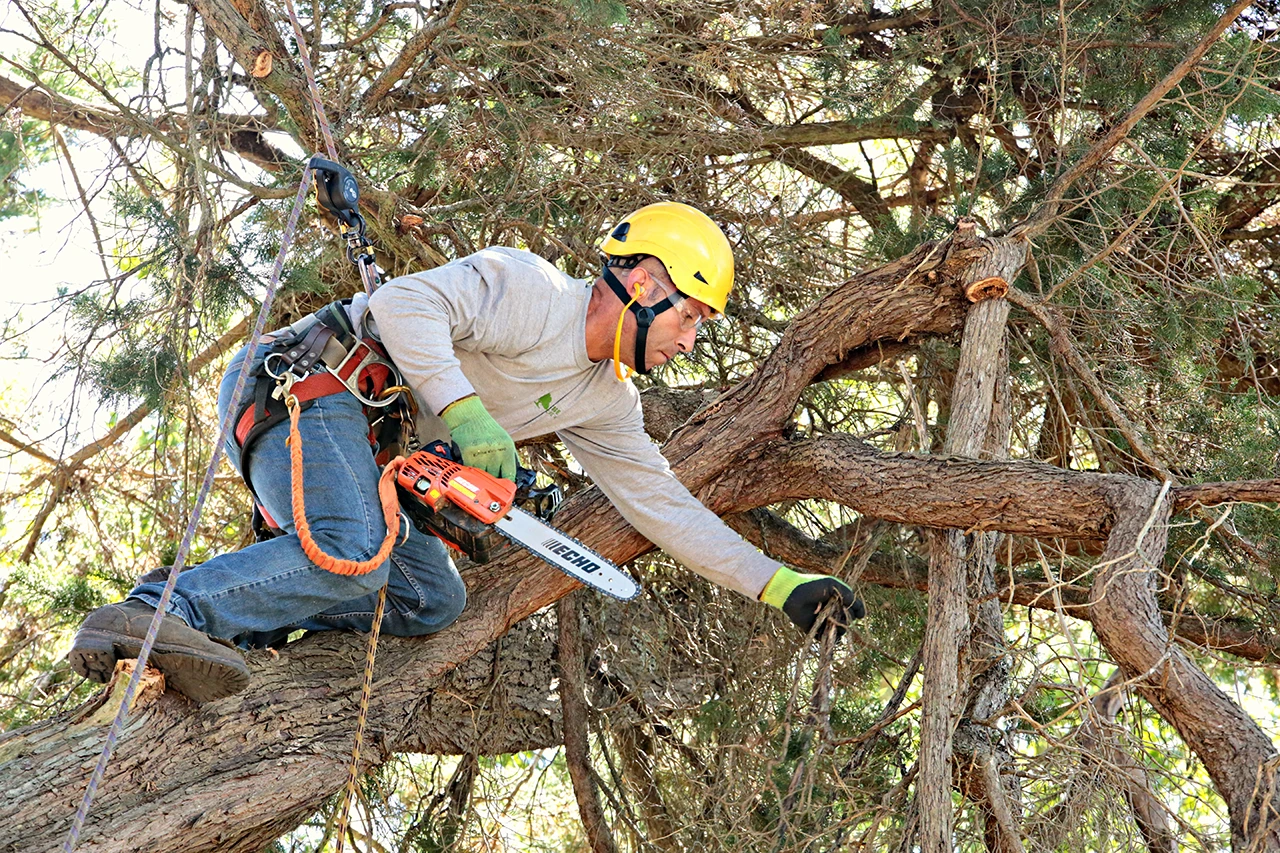
Arborists employ various specialized tools for tree care, like chainsaws, pruning shears, climbing gear, and stump grinders. Each tool serves a specific purpose, facilitating good care, pruning, and removal of trees while promoting overall health and safety.
In What Ways Does the Weather Impact Tree Health?
The climate significantly affects tree health; heavy rainfall may result in root rot, while dry spells put strain on trees. Temperature extremes often result in harm to leaves and branches, ultimately affecting development, resilience, and total vitality of the trees.
Should I handle my own tree maintenance, or Should I use a professional service?
While some basic tree care tasks can be done by people themselves, it's often wise to employ a professional - Florence Arborist. Specialists are equipped with unique expertise and gear, making certain the trees obtain the appropriate care required for peak growth and vitality